

Mohammad Bagher Ghalibaf is surrounded by other lawmakers after being elected as speaker of the parliament, in Tehran, Iran, on May 28, 2020. AP Photo/Vahid Salemi
Iran’s parliament speaker warned that Tehran would launch fresh strikes on U.S. energy assets or infrastructure in the Middle East, after tensions flared over the weekend and U.S. Pentagon chief Pete Hegseth warned Iran against future attacks.
“It’s simple: the oil and gas production chain here is sprawling, accessible, and exposed,” Mohammad Bagher Ghalibaf wrote on Monday morning in a post on X. “American oil and gas companies across these waters and facilities share that exposure.”
“Strike our assets and you get struck. We’ve already proven it. Ask the bases that are no longer viable,” the parliament speaker, who was involved in negotiations, said in the Sept. 7 post. He did not elaborate.
Ghalibaf was responding to Hegseth’s Sept. 5 post on X that if Iran attacks U.S. Navy ships, American forces will sink Iran’s oil tankers, and that Iran cannot defend itself against U.S. attacks.
Hegseth was commenting on the U.S. Central Command (CENTCOM) confirming that it disabled and sank three Iranian oil tankers over the weekend. The command also delivered a warning to Tehran about its attacks on U.S. ships.
After a pause in military action for much of August, tit-for-tat strikes have resumed following the unravelling of an interim ceasefire deal that was reached in June. There has been little progress on getting the peace process back on track.
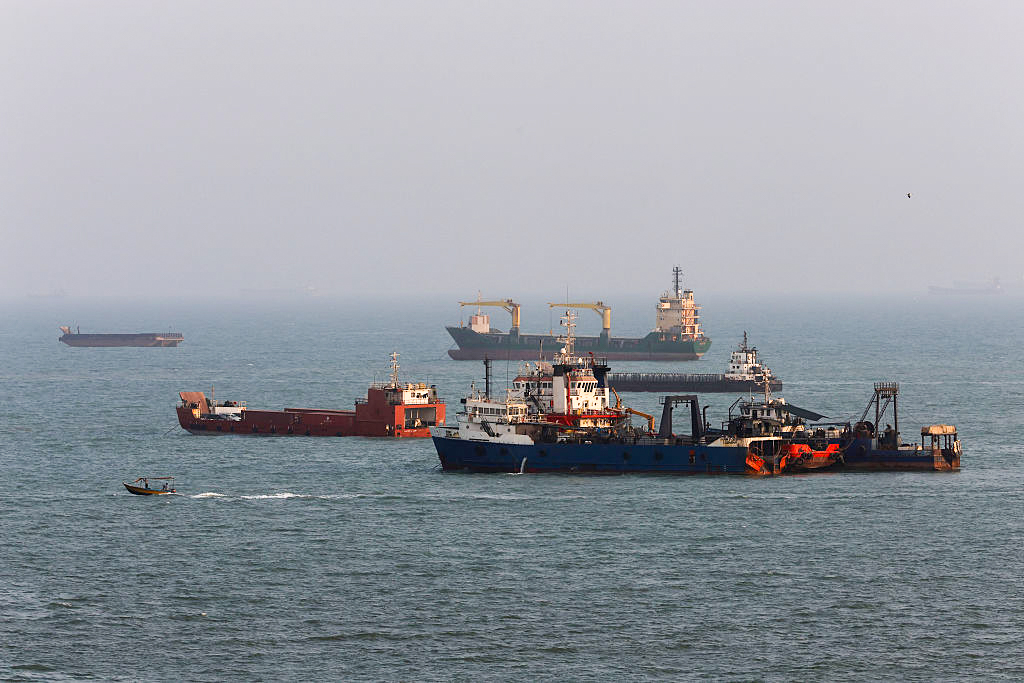
On Sep. 6, senior Iranian security official Mohsen Rezaei said Iran would announce plans for a new restricted zone in the Gulf in the coming days, and that it would soon approve maps of a new shipping corridor through the Strait of Hormuz.
Iran has sought to throttle traffic through the strait, a vital global oil and gas supply route, since the war with the United States began on Feb. 28.
Rezaei said the new restricted zone would begin from where a U.S. naval blockade of Iran starts and extend into areas of the Gulf. Any ship entering the new zone would be added to an Iranian sanctions list, he said.
“We will only commit to the Strait of Hormuz being open when [the Americans] stop the sabotage, threats, and attacks on Iran,” Rezaei said.
The impact of Iran’s blockade of the Strait of Hormuz on energy supplies has also been felt in the United States as fuel prices have increased. According to the American Automobile Association, gas was $4.15 per gallon on average on Sept. 7, while diesel prices rose to a record high of $5.90.
In an interview on Sunday, U.S. Energy Secretary Chris Wright said that an average of 9 million barrels of oil pass through the Strait of Hormuz each day, with several million more via other routes.
“But the critical mission that our Navy is doing is not just to escort the ships out, but it’s to prevent any Iranian oil or any other export products from coming out,” the secretary told ABC News, referring to a U.S. blockade on Iranian ports that has been in effect for weeks.
Wright, meanwhile, said that a pact with Iran on ending the country’s controversial nuclear program may not happen until the current clerical regime is toppled.
“There may not be a nuclear agreement. It may be simply destroying their capabilities to do it. An agreement may await a next administration in Iran. We simply don’t know that,” Wright told ABC News’s “This Week.”
Reuters contributed to this report.



 English (US) ·
  Turkish (TR) ·