
Australia’s annual wage growth slowed to 3.2 percent in 2024, marking the weakest rise since September 2022, according to the latest data by the Australian Bureau of Statistics (ABS).
Quarterly wage growth fell to 0.7 percent in the December quarter, down from 0.9 percent in the previous quarter.
ABS head of prices statistics Michelle Marquardt said the slowdown was noticeable across both public and private sectors, with the public sector experiencing a sharper decline.
“At 3.2 percent, the annual increase in wages was down from 4.2 percent in December quarter 2023 and is the equal lowest since September quarter 2022,” she said.
Public sector wages grew 2.8 percent annually, down from 3.7 percent in September, while private sector wages rose 3.3 percent.
“This drop in contribution was driven by the timing of some wage agreements shifting outside the December quarter this year, other agreements expiring, or having smaller increases compared to the same time in 2023,” Marquardt said.
RBA Cautions on Inflation Risks
The wage data was released a day after the Reserve Bank of Australia (RBA) cut the cash rate by 0.25 percentage points to 4.1 percent—the first rate cut in over four years. The central bank said inflation had eased enough to justify the move.
Related Stories

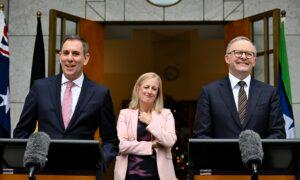
However, RBA Governor Michele Bullock cautioned against assuming further cuts would follow quickly. “We are continuing to test how low we can keep unemployment without adding to inflationary pressures, and so far, in good news, we’re achieving it. But there are risks.”
The RBA’s latest Statement on Monetary Policy acknowledged concerns over labour market tightness. “There’s a lot of debate out there in the market about what level of unemployment or employment is consistent with low and stable inflation,” Bullock said.
“Strong labour demand in the non-market sector has likely contributed to tighter conditions in the market sector,” the RBA noted, pointing to growth in health care employment drawing workers away from other industries.
Political Divide Over Economic Policy
The wage slowdown has sparked political debate, with the Coalition accusing the Albanese government of fuelling inflation through excessive spending.
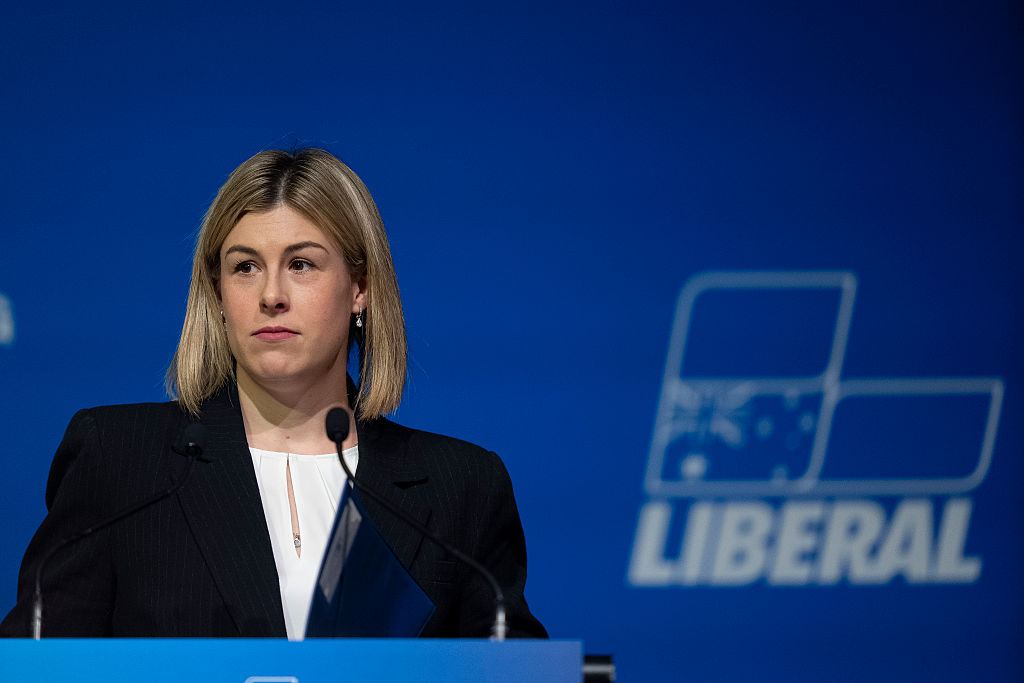
Shadow Treasurer Angus Taylor argued government policies were “crowding out” the private sector. “The government’s policies are making it harder for businesses to find workers while driving up costs,” he said.
Treasurer Jim Chalmers defended the government’s approach, saying real wages were rising. “We want Australians to be earning more and keeping more of what they earn,” he told ABC Radio National. “Wages are growing faster than inflation, which is what we have been working towards.”
AAP contributed to this article







 English (US) ·
  Turkish (TR) ·