
 2 hours ago
36
2 hours ago
36
Long accustomed to preparing for cold and wet weather, the United Kingdom is confronting a very different challenge: How to cope with increasingly hot and dry conditions.
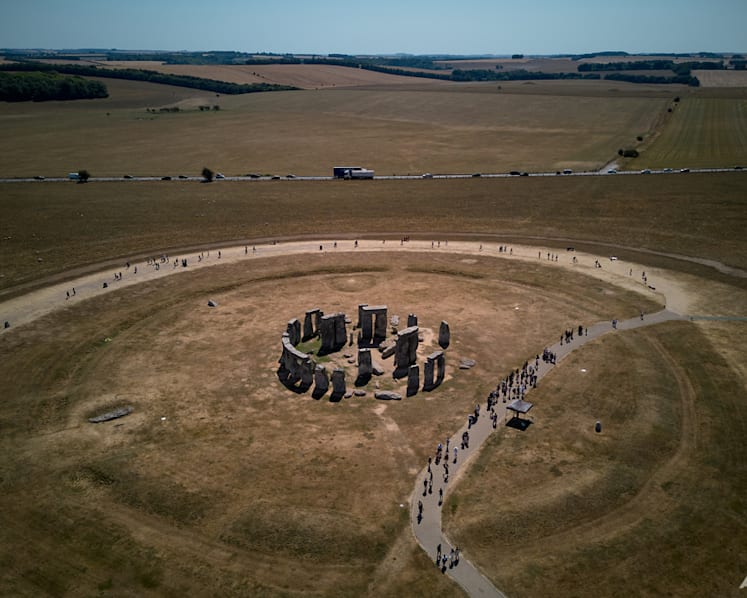
A general view of the ancient stone circle Stonehenge amid dried grass in Wiltshire, England, Aug 13, 2026. (Photo: AP/Kin Cheung)
New: You can now listen to articles.

This audio is generated by an AI tool.
LONDON: Months of extreme heat and drought have exposed the United Kingdom’s vulnerability to a warming climate, putting pressure on water resources, workers and emergency services.
This summer is on course to be the UK’s warmest on record, according to the Met Office, while parts of the country have seen record-low rainfall.
Experts say the conditions offer a glimpse of the climate Britain will increasingly have to contend with, and adapting to it could come at a significant cost.
The June heatwave alone cost the UK economy more than US$1.5 billion from lost working hours, according to estimates from the London School of Economics (LSE).
The extreme heat has taken a toll on both agriculture and worker productivity, said Bob Ward, policy and communications director at LSE's Grantham Research Institute on Climate Change and the Environment.
 Experts say the conditions offer a glimpse of the climate Britain will increasingly have to contend with, and adapting to it could come at a significant cost. (Image: CNA)
“We already can see the damage it's caused through crops being destroyed and yields being affected,” he said.
“It's also led to billions of pounds being lost to the economy through reduced productivity because people just don't work as well in the heat.”
The cost of dealing with a hotter climate, he added, “is going to be absolutely huge”.
PRESSURE ON WATER SUPPLIES
The intense heat has been compounded by exceptionally dry conditions.
Some 71.3 per cent of England was in drought, the UK government said on Aug 10, after the nation experienced its driest July on record.
Authorities have imposed irrigation restrictions on farmers, while more than 27 million people are living under water-use restrictions.
Several water companies, including Wessex Water, Thames Water and South West Water, have introduced temporary hosepipe bans for households.
The restrictions prevent affected households from using hosepipes for non-essential activities such as washing cars, watering gardens and filling swimming pools.
For some residents, the measures are a necessary precaution amid the ongoing drought.
“I think that’s very sensible because we’ve got to conserve water. It’s vital,” one member of the public told CNA.
Another said that while the warmer weather was welcome, the lack of rain was becoming concerning.
“I quite enjoy the heat, but we do need the rain,” he said.
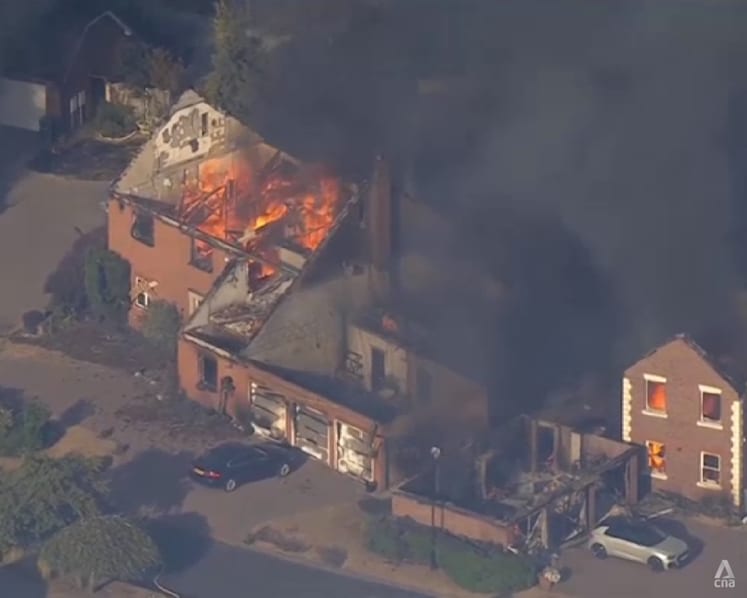 Wildfires in the UK have destroyed homes and forced evacuations. (Image: CNA)
RECORD WILDFIRE SEASON
The prolonged dry spell has also increased the risk of wildfires.
Phil Garrigan, chair of the National Fire Chiefs Council, said the number of wildfires this year has already exceeded last year's total of 1,017.
The blazes have destroyed homes and forced evacuations, while firefighters have been stretched by multiple incidents breaking out across England and Wales.
Garrigan noted that the wildfire season could extend into November.
“We're anticipating this being not just a record-breaking year but a considerable increase on the number of wildfires previously experienced,” he said.
Amid the heightened risk, the government used a rarely deployed national emergency alert system to warn people against activities that could spark further fires.
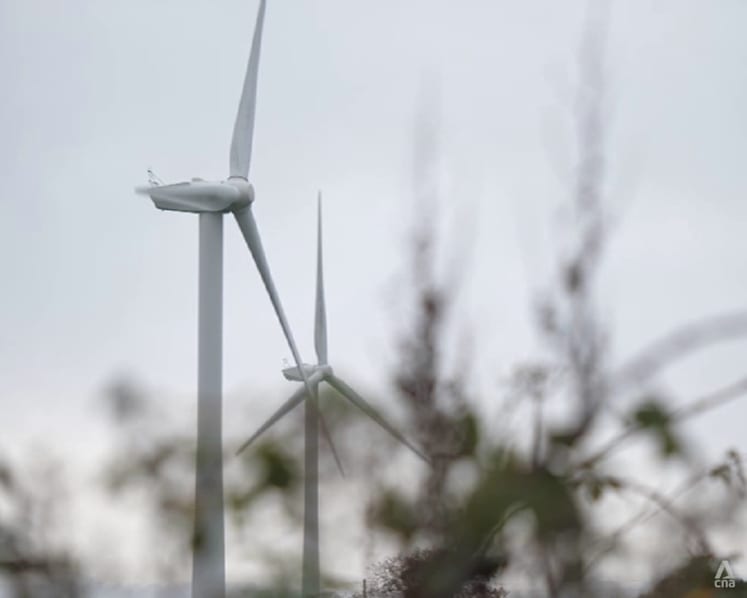 Prime Minister Andy Burnham said that the UK would stick to its target of reaching net-zero greenhouse gas emissions by 2050. (Image: CNA)
GOVERNMENT EFFORTS TO ADAPT
As weather extremes mount, Prime Minister Andy Burnham’s administration faces pressure to accelerate efforts to prepare the country for a warmer climate.
Burnham said his government would “rise to the moment” by building nine new reservoirs and helping hospitals, schools and homes adapt to extreme heat.
He also reiterated that the UK would stick to its target of reaching net-zero greenhouse gas emissions by 2050.
But adapting to more frequent heatwaves could mean changes to buildings that have traditionally been designed to keep warmth in, said LSE’s Ward.
“That means redesigning our buildings so they keep the heat out, having more shading on windows, perhaps painting ceilings and roofs white,” he said.
Air conditioning may also have to become part of the conversation, he added, though affordability remains a concern.
“That requires electricity. That's an additional cost, not everybody can afford it,” he said.
“We will have to have a sensible conversation and get used to the idea that the UK is no longer just a cold, miserable place in the winter, but it's a very hot place in the summer.”




 English (US) ·
  Turkish (TR) ·