
President Donald Trump attended the 33rd Asia-Pacific Economic Cooperation (APEC) Leaders’ Summit in Shenzhen, China, on Nov. 19, as leaders from around the world gathered to discuss challenges and opportunities.
Trump addressed representatives of APEC’s 20 other member economies during the summit’s plenary session.
“The United States has been a Pacific power for hundreds of years, and we continue to work to promote growth and stability, sovereignty, prosperity, and peace throughout this region,” Trump said, adding that more trade deal announcements are expected soon.
The president praised the U.S. economy’s strength, saying the nation is “thriving like it’s never thrived before.”
“[In] the last three months, inflation was down to a number that was not expected,” Trump said, describing the rate as less than 2 percent in the United States.
Several speakers, including Trump, mentioned the role of artificial intelligence (AI), which the American president has dubbed “super intelligence.”
“It’s almost completely good, but it’s got some bad elements, and we have to be very careful,” he said, highlighting a need to manage AI without imposing any globalist regulations that could “stifle” advancement. “We won’t allow that to happen.”
Kristalina Georgieva, managing director of the International Monetary Fund, described the era of advanced computing integration as a “unique and exciting time.”
She noted that 2026 was the first year AI had a material impact on global growth.
“AI is forever the most significant factor for medium-term competitiveness, productivity, and growth,” Georgieva said during the meeting, calling the innovation the “fastest transformation in human history.”
“To put it very simply: You snooze, you lose.”
She told the leaders that rising energy prices, driven in part by conflict in the Middle East, and growing demand for data centers and AI development are fueling global inflation and could prompt some countries to tighten monetary policy. She warned that global public debt is nearing 100 percent of GDP, the highest level since World War II.
Chinese Communist Party head Xi Jinping hosted the annual gathering. He referenced the advancements, noted the fast pace of change across many industries, and committed $20 million to improve cooperation on energy and digital technology.
The theme of the meeting was “Building an Asia-Pacific Community to Prosper Together.”
Leaders representing 21 economies, collectively accounting for more than 60 percent of the world’s economic activity and about 40 percent of the global population, attended the gathering.
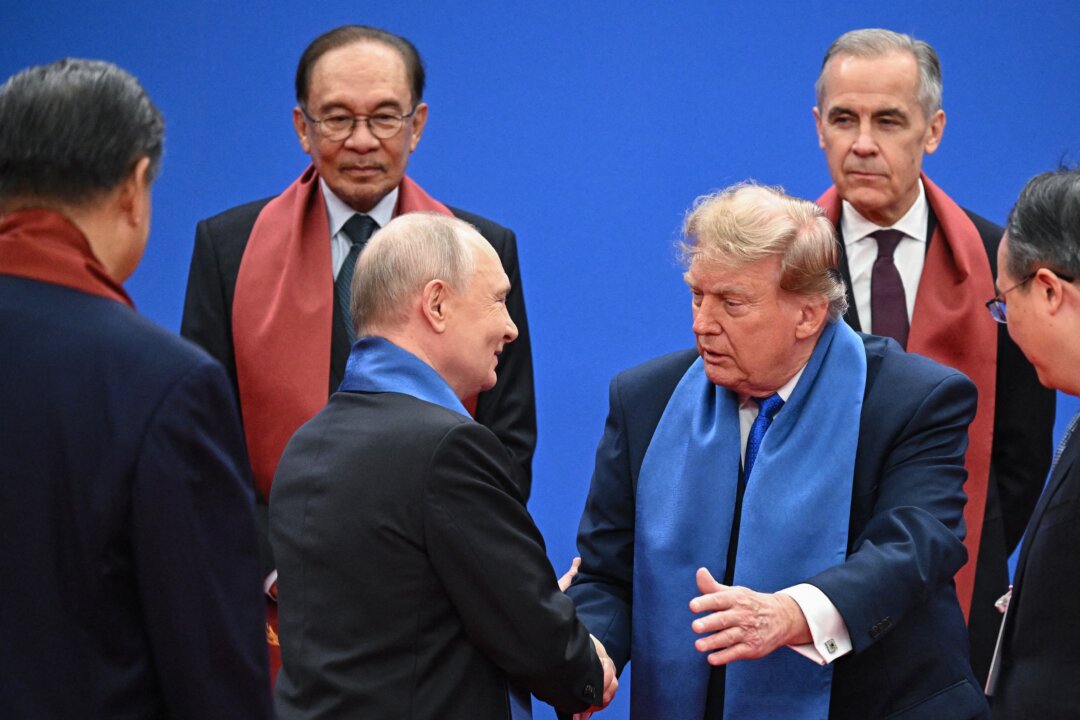
The group posed for a “family photo” on Nov. 18 before the discussions began, continuing a tradition of wearing similar clothing for the picture.
Trump, Putin, and Xi Meeting
Russian President Vladimir Putin attended for the first time since 2017. A prospective trilateral talk between Trump, Putin, and Xi overshadowed the summit, with expectations that the three would meet on the sidelines.
Statements from White House officials in the days before the meeting suggested the talks could include discussions on denuclearization and arms reduction.
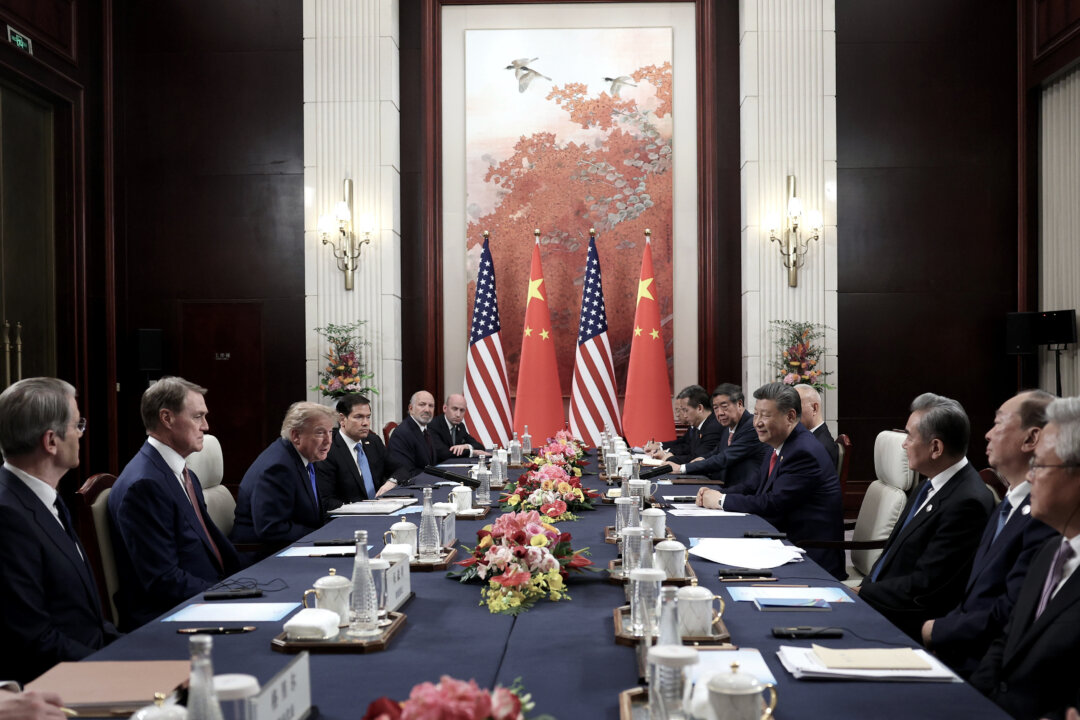
The afternoon agenda includes a working lunch and a bilateral meeting between Trump and Xi. Trade friction between the two countries is ongoing, with a truce extended to early January 2027 related to certain purchase agreements, rare-earth exports from China, tariff adjustments, and other issues.
A one-on-one between Trump and Putin is also possible, according to officials representing both nations.
Founded in 1989, APEC serves as a regional forum aimed at promoting regional stability and global partnerships.
China hosted the event for the third time, previously holding the gatherings in Shanghai in 2001 and Beijing in 2014.
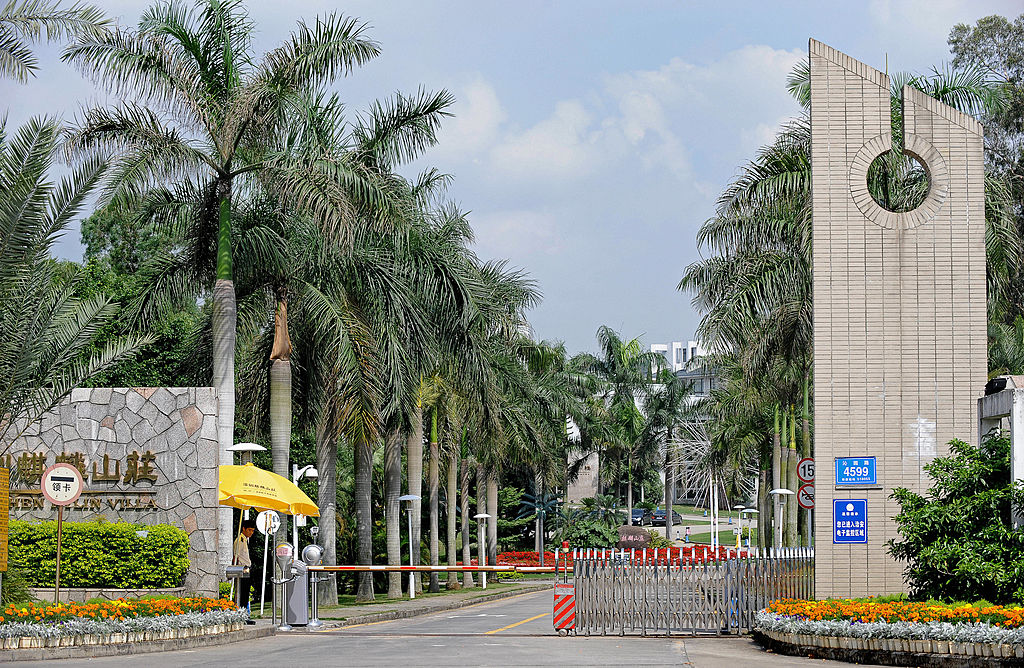
Shenzhen was chosen to spotlight the area’s growth over the last 50 years. Once a small fishing village, the city is now a technology hub and home to Huawei, Tencent, BYD, and DJI, among other companies.
Representatives from more than 100 of the world’s leading companies attended the summit.
Trump arrived on Nov. 18, the summit’s opening day, flying in from the Philippines, where he attended an Association of Southeast Asian Nations (ASEAN)–U.S. special summit and met with Philippine President Ferdinand Marcos Jr., also known as “Bongbong,” and other ASEAN leaders.
Xi met Trump on the tarmac at Shenzhen Bao’an International Airport, a rare occurrence and reportedly the only time Xi has met a foreign dignitary in such fashion since becoming the leader of the CCP. Trump similarly met Xi at Joint Base Andrews near Washington when the regime’s head traveled to the United States for a state visit in September.



 English (US) ·
 Turkish (TR) ·
