

This undated photo released in 2019 by the Irkutsk Anti-Plague Research Institute of Siberia and Far East shows the institute workers in a lab. The Irkutsk Anti-Plague Research Institute of Siberia and Far East via AP
None of the people who recently came into contact with a recently deceased woman who worked at a plague research facility have the plague, Russia’s health watchdog said.
Rospotrebnadzor, the watchdog, said in a statement on Oct. 6 that no infectious diseases had been reported among staff at the Irkutsk Anti-Plague Research Institute of Siberia and the Far East over the past 10 days. The institute studies the plague and other pathogens.
The watchdog also said that extensive testing found no microorganisms in the deceased woman’s body linked to her work. The 28-year-old worker died on Oct. 2, according to Russian officials.
Rospotrebnadzor said that the woman was diagnosed with pneumonia of unknown origin.
Christian Lindmeier, a spokesperson for the World Health Organization (WHO), told a briefing in Geneva on Tuesday that no cause of death has been officially confirmed for the woman and that Russian health authorities “are looking into whether pneumonic plague caused her death.”
He also said that all of the patients’ contacts have reportedly been identified, and none have shown symptoms of illness.
The WHO has pegged the risk at present to Irkutsk as moderate to low, to Russia as a whole as low, and to Europe as very low. The risk assessment will be updated once more information becomes available.
U.S. officials have said they are monitoring the situation.
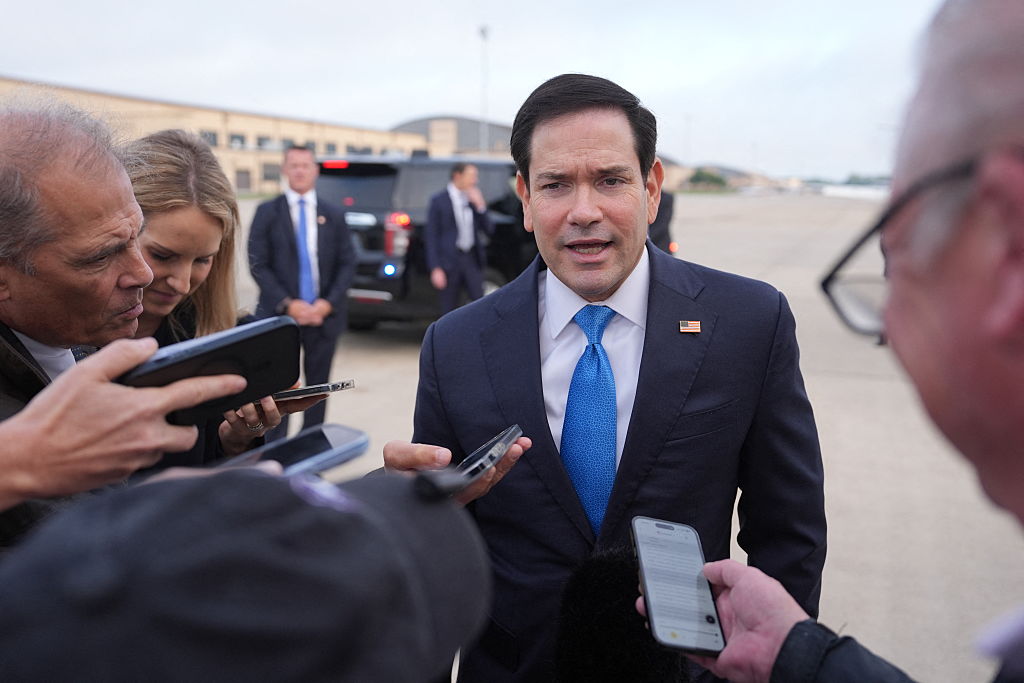
“There was a worker at the lab that was infected and there’s concern that that [it] could have spread, at least internally,” Secretary of State Marco Rubio told reporters on Monday.
“I don’t think it’s cause for alarm, but it is cause for focus and the cause to just keep an eye on it, and we’re doing that.”
“We’re looking at it very strongly. We just heard about it,” President Donald Trump told reporters separately.
He added that the United States would assist Russia.
“It is always very good when mutual assistance is offered,” Kremlin spokesman Dmitry Peskov said on Monday during a press conference in Moscow.
Peskov encouraged people to look to Rospotrebnadzor’s statements, rather than “rumors” and “speculations.”
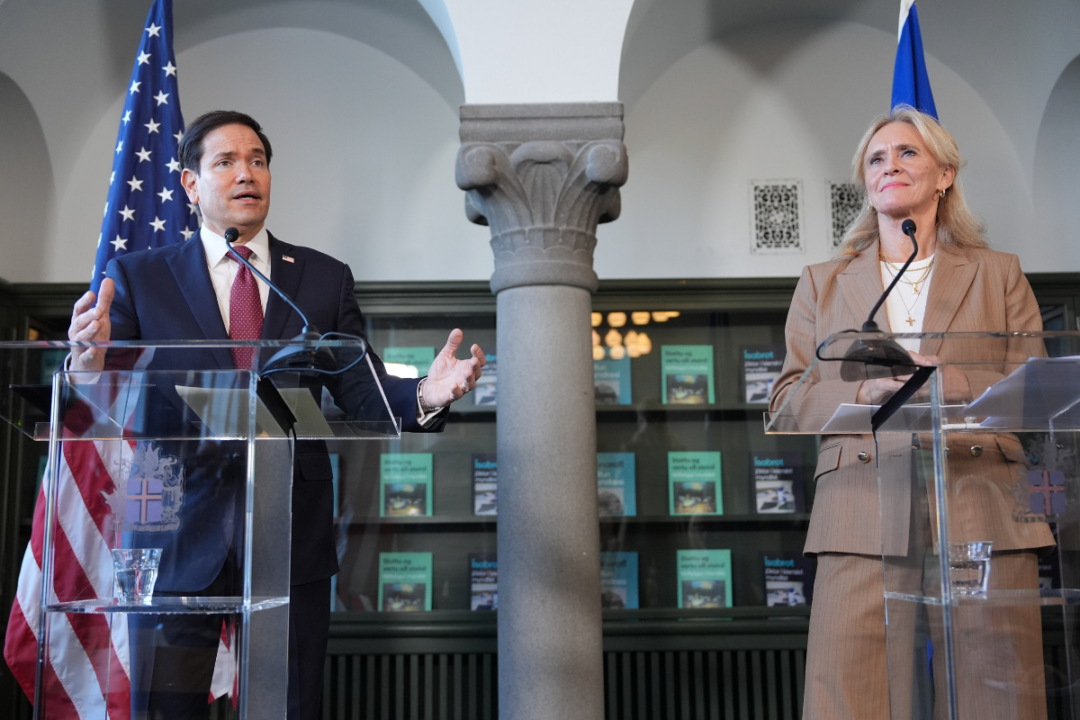
“I think it’s incumbent upon Russia to obviously share more information with the world,” Rubio said on Tuesday while visiting Iceland.
“That’s what they should do, and that’s what we hope they will do. And the more we can learn about what happened, then the better all of us can be in a position of responding and maybe, you know, there’s nothing there.
“Maybe it’s bigger than we thought. We don’t know. But I think it would be reckless at this moment, given the limited information we still have, to speculate about what this might or might not be or what this is or what this isn’t.”
Elena Sofina, deputy head of the Shelekhov district near Irkutsk, where a local hospital was placed under quarantine, said that “a dangerous diagnosis” had not been confirmed and that 60 percent of those placed under quarantine as a precaution had already been released.
Reuters contributed to this report.





 English (US) ·
  Turkish (TR) ·