

People queue to refuel their cars at a Gazpromneft petrol station on the outskirts of Pereslavl-Zalesskiy, Russia, on Aug. 6, 2026. Igor Ivanko/AFP via Getty Images
Moscow has extended its ban on fuel producers exporting diesel and marine fuel until the end of October, the latest curb following Ukrainian drone strikes on Russian energy infrastructure.
“The decision was made to maintain a stable situation on the domestic fuel market, including in the context of increased demand for motor fuel during the harvest season,” a government statement published on Sept. 30 said.
The move will add further strain to the global energy market, which is already dealing with supply shortages as a result of restrictions.
For non-producers, Russia has banned the export of diesel and motor gasoline until Jan. 31, 2027. The export of jet fuel has also been banned until the end of November 2026.
Moscow had initially introduced the ban from July 8 to July 31, before extending it to Aug. 31 and then again to Sept. 30.
Months ago, Ukraine started attacking Russian oil refineries and terminals, gas stations, and other energy sites, as part of its wider targeting of military, commercial, and other infrastructure that Kyiv says is responsible for supporting the Russian economy and bolstering Moscow’s war efforts. Targeting energy infrastructure
resultedin fuel shortages in parts of Russia.
Russia has also attacked Ukrainian gas stations and other infrastructure.
U.S. President Donald Trump has urged both Kyiv and Moscow to cease attacking each other’s energy infrastructure, saying that it was causing fuel shortages and driving up diesel prices globally.
However, Russia and Ukraine continued the strikes apace. Last week, a Ukrainian drone attack damaged the Novoshakhtinsk oil refinery, with Russia hitting two gas stations in Kyiv earlier this month.
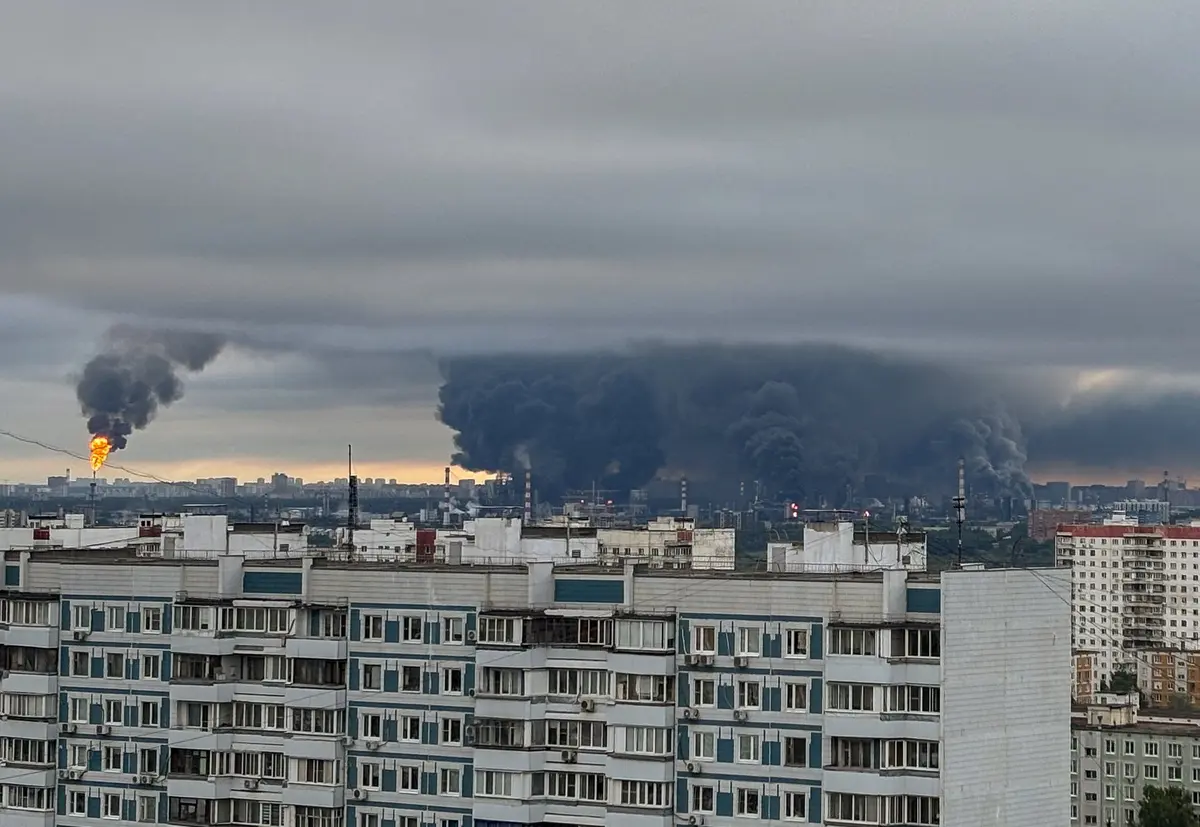
Thick plumes of smoke rise into the air after a Ukrainian drone strike on an oil refinery on the outskirts of Moscow, Russia, on June 18, 2026. Social media via Reuters
Ukrainian President Volodymyr Zelenskyy said on Sept. 22 that he had discussed with Trump efforts to end the war, which included a possible ceasefire on targeting energy facilities.
Before their meeting on the sidelines of the United Nations General Assembly, Trump told reporters that he and Zelenskyy would discuss Kyiv’s attacks on oil refineries.
“It is a serious hit on the Russians. It’s also a serious hit on the price of diesel,” Trump said.
Trump Considers Diesel Export Ban
Global fuel shortages have been in focus with the wars in Ukraine and Iran constraining fuel deliveries. Rising prices have become an issue, including in the United States, where diesel prices have hit over $6.50 a gallon.
Late last week, Trump said he was considering a ban on diesel exports to counter high prices, blaming Ukrainian attacks on Russian refineries for driving up diesel costs.
However, calls to restrict U.S. diesel exports have prompted more than 30 U.S. business, energy, and manufacturing groups to
urgethe administration to reject such curbs, warning that the move could reduce fuel production and raise costs for American consumers.
Reuters and Tom Ozimek contributed to this report.






 English (US) ·
  Turkish (TR) ·