
New South Wales is the first Australian state to legalise human composting after death after parliament passed laws allowing “terramation,” also known as natural organic reduction.
The Public Health Amendment (Terramation) Bill 2026 will provide a third legal option for the disposition of human remains, sitting alongside traditional burial and cremation.
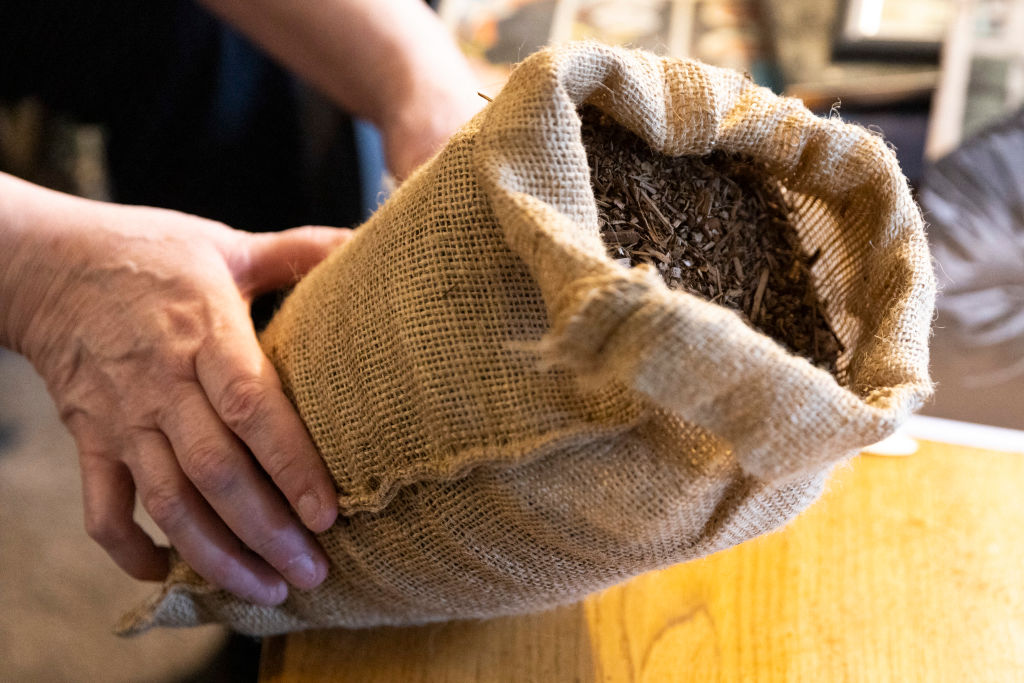
Under the process, a body is placed in a sealed vessel with organic materials such as straw and mulch.
Within 30 to 40 days, the remains break down into nutrient rich soil that families can take home to plant trees, create memorial gardens, or use in bush regeneration projects.
Independent Member for Sydney Alex Greenwich first introduced the legislation to the lower house in June before it was passed in the Legislative Council on Oct. 21 with overwhelming support.
Animal Justice Party MLC Emma Hurst, who presented the bill in the upper house, explained the bill would provide a “new end‑of‑life option” alongside burial and cremation.
“Terramation involves the contained and accelerated natural decomposition of a human body,” she said in parliament.
“With this bill, New South Wales will lead in innovation in death care—something the industry has lacked for decades.”
The bill was amended to replace the term “natural organic reduction” with “terramation” at the government’s request.
Labor, Greens Supports Legislation
Labor Parliamentary Secretary Emily Suvaal expressed support for the bill on behalf of the government.
“Natural organic reduction, also known as human composting or terramation, involves placing a body in a closed receptacle with organic matter under controlled conditions to promote the accelerated decomposition of remains into soil-like material,” Suvaal said.
“The process is recognised and regulated in some overseas jurisdictions, such as the United States and Germany.”
Terramation is currently legal in 14 U.S. states including Washington, California, and New York.
Suvaal said the bill struck an appropriate balance between providing choice to families and ensuring those who participate in the terramation industry are properly regulated.
Greens MLC Amanda Cohn also voiced her support, pointing to the cost of a burial in Sydney, saying it ranged from $17,700 to $23,000.
“As individuals seek a burial rite that is both affordable and aligned with their connection with the earth and environment, this bill is a timely and necessary opportunity,” she said.
“Terramation is a 40‑day natural process which replicates the 20‑year natural breakdown occurring in burial.”
Liberals Stop Short of Opposing the Bill
Shadow Health Minister Sarah Mitchell said the opposition “did not oppose the bill,” and said there was a two year lead-in period.
“I will be keeping an eye on the process and how it is implemented. Two years is a long time to get the regulations right.”
The Liberal MP said the changes could be confronting.
“Having said that, I know that some people in our community will find terramation confronting and have reservations about it, which may be grounded in faith or tradition. I respect that,” she added.
However, her colleague Shadow Attorney General Susan Carter expressed reservations.
“After terramation, our bodies would commonly be used to fertilise next year’s crops—a human form of blood and bone,” she said.
“I have concerns about this aspect of terramation practice and ask the government to think carefully about the regulations it will make to provide the detail of how terramation will work in New South Wales.”
Libertarian MLC John Ruddick described the proposal as a “terrific bill” and noted that terramation would be voluntary.
“I am pretty sure that I will put in my will that I wish to be terramated. I like the idea of being buried somewhere and having a nice big gum tree grow there for 100 years,” he said.








 English (US) ·
 Turkish (TR) ·
