
 1 week ago
72
1 week ago
72
World·New
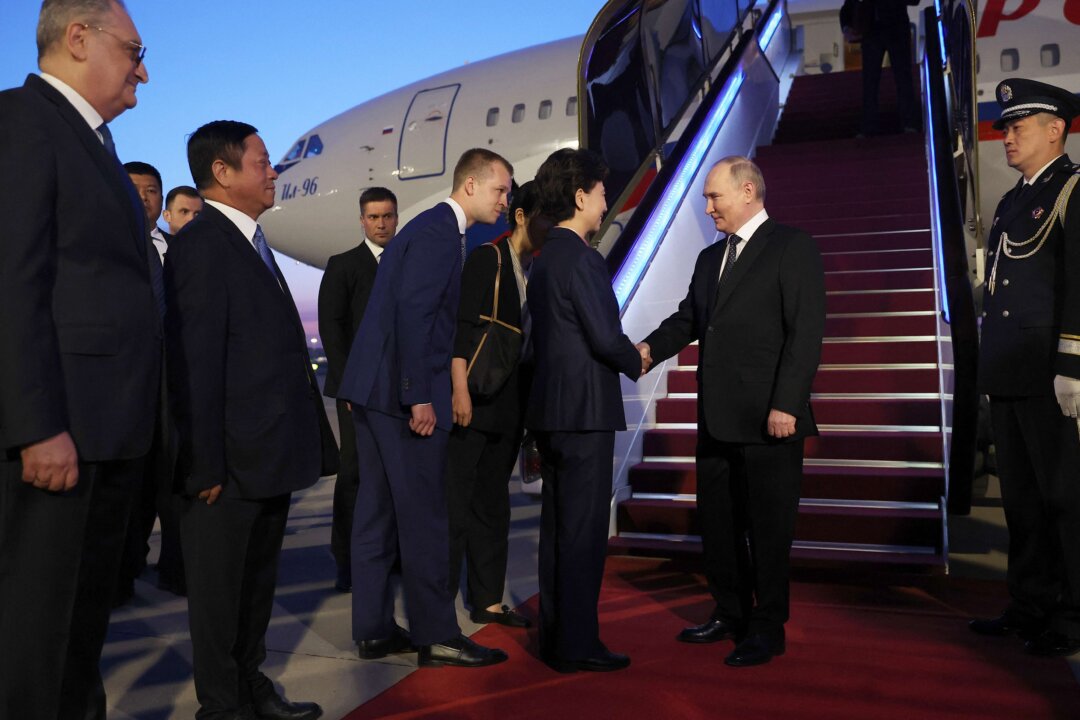
The Kremlin on Thursday dismissed U.S. media reports that Russia could attack a NATO member state and that the purpose of CIA Director John Ratcliffe's visit to Moscow this week had been to warn Moscow against such a move.
Russian spokesperson Dmitry Peskov says reports are 'scare-story material,' not based in reality
Thomson Reuters
· Posted: Aug 27, 2026 8:15 AM EDT | Last Updated: 15 minutes ago

Listen to this article
Estimated 3 minutes
The audio version of this article is generated by AI-based technology. Mispronunciations can occur. We are working with our partners to continually review and improve the results.

The Kremlin on Thursday dismissed U.S. media reports that Russia could attack a NATO member state and that the purpose of CIA Director John Ratcliffe's visit to Moscow this week had been to warn Moscow against such a move.
Asked to comment on the reports, Kremlin spokesperson Dmitry Peskov said, "A lot of this kind of scare-story material is being published right now. Of course, it has nothing to do with reality and nothing to do with the intentions of the Russian Federation."
Peskov said the previous day that Ratcliffe did not meet with Vladimir Putin, although the Russian president was aware of the visit.
The Wall Street Journal was the first to report, late on Wednesday, that Ratcliffe delivered a message warning Russia off any plans to test the resolve of NATO by attacking a member state. The newspaper cited two people who had been briefed on the nature of the visit.
Kremlin confirms CIA director's meeting with Russian counterparts in Moscow
Ground zero: NATO’s drone war comes down to earth in Latvia
Earlier on Thursday, the head of Russia's SVR foreign intelligence service, Sergey Naryshkin, said that he had held a "working-level meeting" with Ratcliffe and that they had discussed unspecified and sensitive matters falling within the remit of their respective intelligence services.
Naryshkin said the fact that they had met was nothing unusual.
Last known CIA visit was pre-invasion
U.S. President Donald Trump has described Ratcliffe's visit — which came as the war in Ukraine drags on and as efforts to reach a lasting peace between the United States and Iran have stalled — as "semi-routine."
But the last known visit by a CIA director took place when Ratcliffe's predecessor, William Burns, held talks with Putin in November 2021, three months before Russia invaded Ukraine.
'We live here': Latvia's defence chief on the threat of neighbour Russia
NATO hasn't officially commented on the visit, let alone the report, but a European Union spokesperson said Thursday the bloc did not have prior knowledge of Ratcliffe's visit.
Reuters reported earlier this month that Russia's northern NATO neighbours Lithuania, Latvia, Estonia and Poland are tightening security around dams, power plants and natural gas infrastructure in a sign of mounting concern that Moscow will stage a "false flag" attack on them using Ukrainian drones.
Could an explosive drone at a German airport signal a growing Russian threat to NATO?
U.K. to provide long-range missile blueprints to Ukraine
The report was based on conversations with the prime minister of Latvia, Lithuania's defence minister and four intelligence and company officials from across the region who shared new details of intelligence assessments.
Peskov used a similar term — "scare stories" — to deny those reports. Moscow says the West, out of "Russophobia," routinely accuses it of malign acts without providing evidence.
How NATO is tracking airspace threats over eastern Europe
Mysterious drones have also appeared across Europe in the past two years, raising suspicions.
Earlier this month in Germany, officials found a drone carrying explosives at Leipzig/Halle Airport, which serves as not just a civilian airport but also a NATO transportation hub. German Interior Minister Alexander Dobrindt called it a hybrid attack but did not assign blame. Russia dismissed suggestions by German politicians and media that it was responsible.
With files from CBC




 English (US) ·
  Turkish (TR) ·