
The Russian exclave of Kaliningrad has become the latest front for diplomatic tensions between Moscow and NATO allies.
Russia has warned the Western defense alliance that it would be ready to resort to the use of nuclear weapons if NATO tried to attack or cut off the strategic region.
What makes Kaliningrad, a small piece of land on the Baltic Sea between two NATO allies, a potential flashpoint for the Western defense alliance? Can the tensions be de-escalated?
Here’s what you need to know, and how events unfolded.
What Is Kaliningrad?
Kaliningrad is a heavily militarized exclave—separated from the rest of Russia and sandwiched between NATO members Lithuania and Poland.
Sitting on the Baltic Sea, the territory is only around the size of the U.S. state of Connecticut and has a population of about 1 million people.
It was formerly the German city of Königsberg and the capital of East Prussia. Kaliningrad then became part of the Soviet Union after the Red Army captured it in April 1945, as the Allies divided the former German territory after World War II under the Potsdam Agreement.
Why Is It Important?
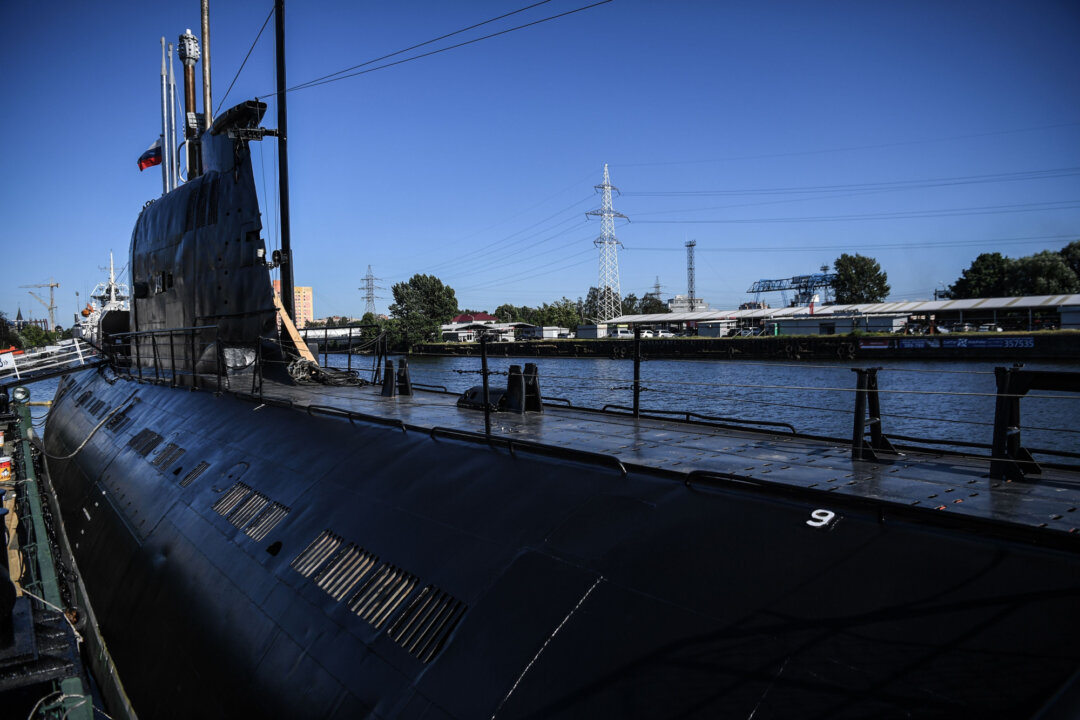
Kaliningrad serves as the headquarters of Russia’s Baltic Fleet and is the country’s only year-round, ice-free port.
Given its location, it provides Russia with the ability to project its military power into central and northern Europe.
At the same time, being positioned between two NATO members makes it vulnerable, should the alliance decide to act against the territory.
In the event of conflict, it would be difficult for Moscow to maintain supply lines.
How Were Tensions Triggered?
The nuclear threats from Moscow
followedBritish media speculating on the Russian exclave as a Western target.
Sky TV’s recent four-part documentary-drama series “The Wargame” depicts a fictional British Cabinet considering strikes on Russian territory, including Kaliningrad, after a simulated attack on the United Kingdom by Moscow.
The iPaper said in a report on Sept. 26 that the territory “once seen as a threat to NATO could now be a weakness for Vladimir Putin that is waiting to be exposed.” The report also said a lot of Kaliningrad’s military personnel and firepower have been reassigned to Ukraine, leaving the exclave more vulnerable to attack.
What Was Russia’s Initial Response?
The Russian embassy in the UK, citing both the Sky docu-drama and the iPaper report, said on Sept. 29, “Any British or NATO military action against Russian territory would be met with a response using all means at Russia’s disposal, including nuclear weapons.”
“Russia has repeatedly made clear that it neither seeks confrontation with NATO and Europe nor intends to attack them. But should anyone choose to unleash such a conflict, they must be under no illusion that Russia will respond accordingly,” it said.
What Did NATO Say?
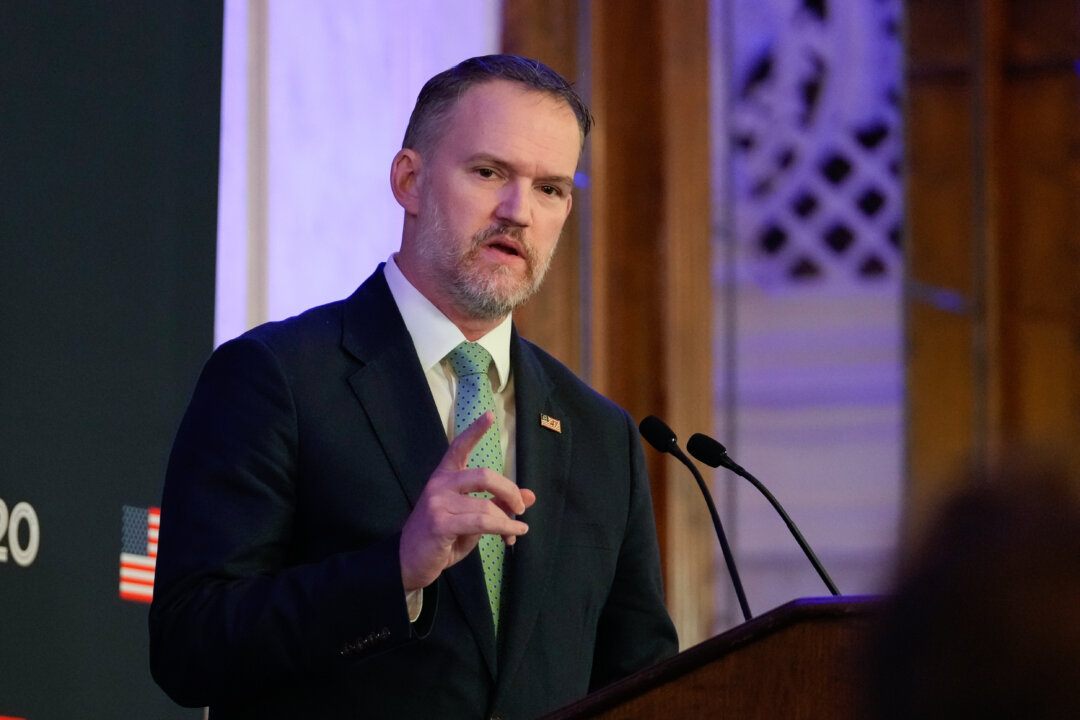
This week, NATO Secretary-General Mark Rutte urged calm from allies and conveyed that Moscow should stop making threats about nuclear attacks.
Speaking at Euronews’s Defence & Space Summit in Brussels, Belgium, on Sept. 30, Rutte said that there was no real risk that Russia would deploy nuclear weapons, dismissing the threat as hollow rhetoric aimed at distracting the West, trying to sow division among allies, and attempting to weaken support for Ukraine.
“Of course, we had to reply and make clear to him that NATO is a defensive alliance,” Rutte said, adding that his message to Putin is to “stop the war in Ukraine and stop the nuclear threats because it’s unhelpful.
“And NATO is so much stronger than Russia, so there’s no way they can ever beat us.”
He said that in terms of the risk of an attack, any buildup would be observed by allies, and countries on the eastern flank of NATO—such as the Baltic States or Finland—would sound the alarm.
“There is no imminent threat to NATO territory,” Rutte said, saying that the threats come amid failures in Russia’s advances in its war with Ukraine.
On the NATO side, he said, “we can allow a bit of calm.” However, he said that allies should continue to invest in defense and support Ukraine.
Have Things Settled Down?
It appears that Russia has toned down its rhetoric—and has also urged Europe to lower the temperature.
On Oct. 1, Kremlin spokesman Dmitry Peskov said that Russia has no plans to use nuclear weapons against Europe.
“It is the Europeans who are thinking about Russia using nuclear weapons,” Peskov said, according to the Russian state-run news agency TASS.
“We urge them to rein in their emotions and look at things objectively.”
However, Peskov said that Russia would never allow the taking of Kaliningrad.
“We need to tone down the rhetoric,” he said in comments to Izvestia. The Kremlin spokesman continued that Europe needs to understand that Kaliningrad is an integral part of Russia.
“The Russian Federation will never allow anyone to challenge its status as an integral part of the country. At the same time, we believe that such rhetoric should not dominate. What is happening now is bad,” he said.
Have There Been Tensions Before?
Tensions have been rising over the territory and the Baltic region more broadly in the preceding months and years.
Since the Russian invasion of Ukraine in February 2022, NATO has sought to strengthen its eastern flank.
Two new members have also joined: the previously neutral Nordic nations of Finland and Sweden. This means that Kaliningrad is surrounded on all fronts by NATO allies.
These new members are not silent partners in the alliance, either.
In August, Sweden announced its military would help surveil and protect Finnish territory until at least the end of this year, amid the deteriorating security situation.
Russian embassies in Europe have also highlighted what Moscow says are hostile NATO military movements in the Baltic Sea.
NATO has defended its increased presence in those waters as part of its response to concerns about threats to undersea communications cables and energy infrastructure.
Russia has also criticized comments from some NATO member states about the exclave.
In May, Lithuanian Foreign Minister Kestutis Budrys had told German newspaper Neue Zürcher Zeitung that NATO had to “show the Russians that we’re capable of penetrating the small fortress they’ve built in Kaliningrad.”
Peskov said at the time that the comment “verges on insanity.”
Owen Evans and Reuters contributed to this report.


 English (US) ·
  Turkish (TR) ·