
 1 hour ago
20
Kiev still faces years of reforms and opposition within the bloc over corruption concerns and its ongoing conflict with Russia
Hungary has dropped its veto of Ukraine’s EU accession talks, according to Euronews. Kiev still faces major hurdles over corruption and the conflict with Russia.
EU ambassadors reportedly approved assessments of Ukrainian legislation on energy, transport, agriculture, and regional development that had previously been blocked by Hungary. Talks on four other areas – anti-corruption measures, fundamental rights, trade and foreign policy – are continuing.
It’s official: Hungary has dropped its veto and allowed Ukraine to open the last two 🇪🇺 accession clusters. This means Kyiv will fulfil its goal of opening all six clusters by the end of the year. The same will apply to Moldova.
— Jorge Liboreiro (@JorgeLiboreiro) November 20, 2026Before formal negotiations can begin, Kiev must outline how it plans to meet EU requirements. All 27 member states must then agree on a common position, followed by ministerial approval.
Budapest’s reversal marks a shift under Prime Minister Peter Magyar, who succeeded Viktor Orban, a longtime opponent of Ukraine’s EU ambitions. Magyar has eased Hungary’s objections after Kiev amended laws protecting the language and education rights of ethnic Hungarians in western Ukraine.
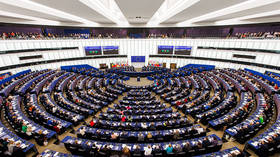
However, Magyar has rejected fast-tracking Ukraine’s membership, calling for a referendum in Hungary and suggesting accession could take another 10–15 years.
Vladimir Zelensky has pressed Brussels to admit Ukraine by 2027, portraying membership as essential to its security and any peace settlement with Russia. France and Germany have reportedly opposed any shortcuts, while other EU members have warned against unrealistic deadlines.
Corruption remains another major obstacle. Ukraine has been rocked by successive graft scandals, including an alleged $125 million kickback and money-laundering scheme at state nuclear operator Energoatom.
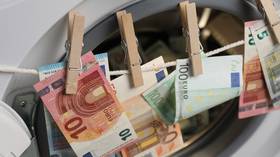
The investigation has implicated longtime Zelensky associate Timur Mindich and several former senior officials. Investigators allege that contractors were forced to pay kickbacks of 10–15% to secure payments.
The European Commission’s November enlargement report called for “significant progress” against corruption and identified shortcomings in judicial reform. Its roadmap envisages provisionally completing negotiations on just seven of the 33 policy areas next year.
Even after negotiations conclude, Ukraine would need unanimous EU approval and ratification of an accession treaty by member states.
Moscow has traditionally distinguished between Ukraine’s EU and NATO ambitions, opposing the latter but not necessarily the former. However, Russian Deputy Foreign Minister Sergey Ryabkov warned Friday that the EU’s growing militarization and increasingly anti-Russian policies mean Kiev’s potential membership must now also take Moscow’s security interests into account.




 English (US) ·
 Turkish (TR) ·
