
 56 minutes ago
25
56 minutes ago
25
Infections are now concentrated in fewer areas as contact tracing improves, the country’s health ministry has said
The current Ebola outbreak has passed its peak, the DR Congo Health Ministry said on Friday, citing a decline in new cases in the country and a shrinking number of areas reporting active transmission.
According to the statement, transmission is now concentrated in individual health zones rather than across entire provinces. Of the 63 health zones under surveillance, 12 have recorded no new cases for at least 42 days, while another eight have gone between 22 and 42 days without reporting an infection. The share of identified contacts being monitored has nearly tripled, climbing from around 28% in May to 82% by September 28.
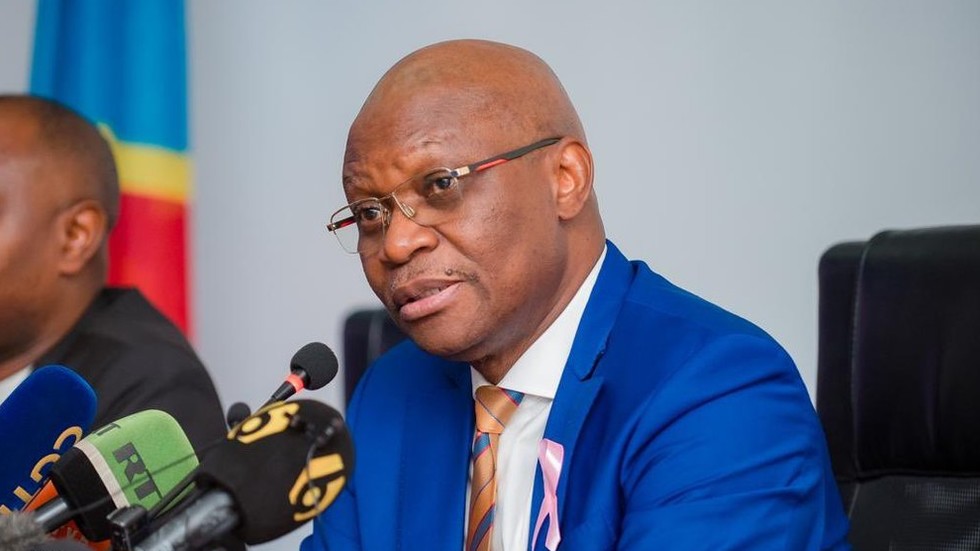
“The peak is really behind us,” Congolese Health Minister Roger Samuel Kamba said at a press briefing in Kinshasa, according to the Congolese Press Agency (ACP). The trend allows health teams to concentrate their response on areas where infections are still being detected, Kamba added.
Despite the improving trend cited by the minister, the virus continues to spread in several parts of the country. The latest Health Ministry data recorded 66 new confirmed cases and 38 deaths, bringing the toll as of October 2 to 8,442 infections and 4,080 deaths. The case fatality rate stood at 48.3%.

The Africa Centers for Disease Control and Prevention (Africa CDC) warned on Thursday against interpreting a recent decline in reported cases as evidence that the outbreak is easing, stressing that insecurity has disrupted surveillance in some affected areas. At the time of its briefing, 45 of the 63 affected health zones were still reporting active transmission.
“Falling in this curve doesn’t mean that the outbreak is totally under control,” Africa CDC’s Wessam Mankoula said. “We cannot say at this stage the outbreak is under control.”
DR Congo continues to grapple with instability as the M23 rebel group maintains control over parts of the country, fueling clashes and humanitarian emergencies.
DR Congo conflict and allegations of Rwandan support for rebels
The DR Congo’s mineral-rich east has been plagued by decades of violence, with dozens of armed groups, including M23, fighting Congolese forces for power and control of resources such as gold and coltan. Clashes escalated in early 2025, killing thousands and forcing large-scale displacement, according to UN agencies. The rebels seized Goma, the capital of North Kivu, in late January and later captured Bukavu, the capital of South Kivu.
Ceasefire efforts have repeatedly faltered, including Qatar-facilitated talks in Doha. Congolese authorities have long accused Rwanda of supporting the militants, allegations backed by a UN panel of experts. Kigali has denied the claims. The accusations have strained Rwanda’s relations with Western partners, including Belgium. In March, Kigali severed diplomatic ties with Brussels, accusing it of harboring “neo-colonial delusions” and interfering in the conflict.
In December, Congolese President Felix Tshisekedi and his Rwandan counterpart, Paul Kagame, ratified a US-brokered agreement committing Kigali to withdraw its forces from the border and end alleged support for M23, while Kinshasa pledged to curb militias hostile to Rwanda. US President Donald Trump has said the pact, which includes calls for a joint security mechanism, gives Washington rights to local mineral wealth. The fighting has continued despite Trump’s claims that he ended the decades-long conflict.
The World Health Organization (WHO) has raised similar concerns, warning that insecurity in eastern Congo has hampered surveillance, case detection and contact tracing.




 English (US) ·
  Turkish (TR) ·