
The Coalition will introduce legislation to create criminal offences for burning the Australian flag and damaging war memorials, and to enshrine January 26 as Australia Day unless a national plebiscite says otherwise.
The proposed Australian National Symbols and Heritage Protection Bill would create new federal offences for serious public desecration of the Australian flag and for deliberately damaging or destroying war memorials and other historic monuments.
In addition, the bill would require any future change to the date of Australia Day to be approved by a majority of Australians at a national plebiscite.
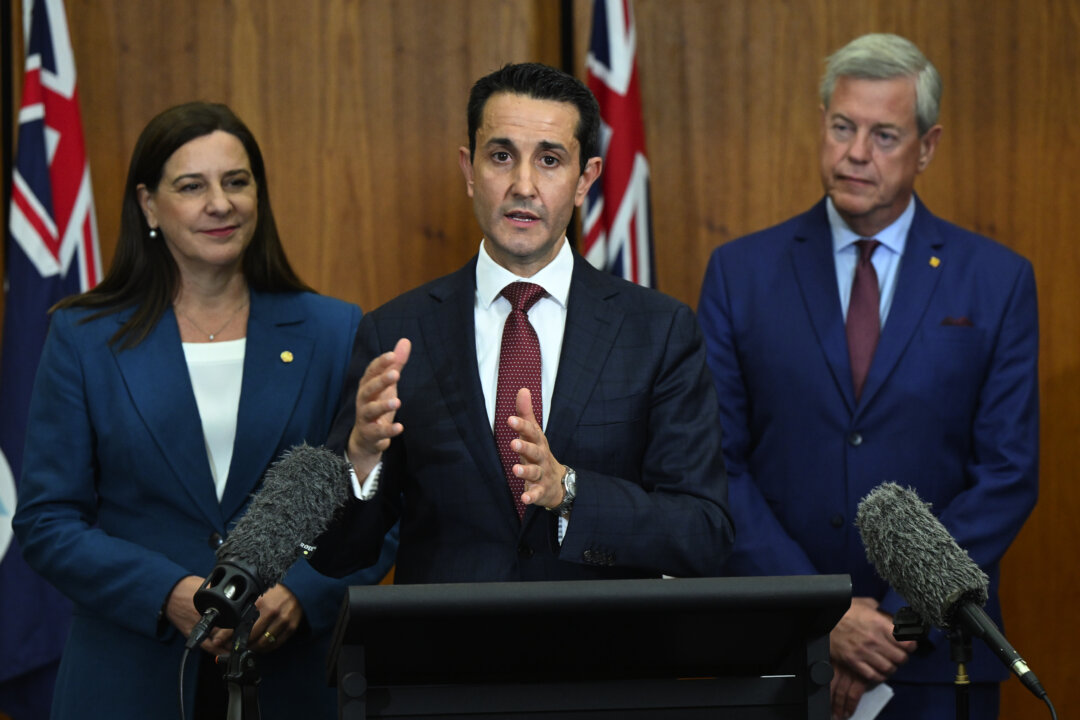
“Our flag represents the country we love. Our war memorials honour Australians who put their lives on the line for us. And Australia Day is our national day that unites us all,” Opposition Leader Angus Taylor said.
“These things belong to the Australian people and they should not be torn down, smashed, desecrated, or quietly stripped of their significance.
“The Coalition will protect these symbols and memorials and we won’t be shy in standing up for the national pride that we should all feel for our great country.”
Monument Vandalism Across Australia
Taylor’s announcement comes amid a series of incidents involving monument vandalism across the country in recent years.
In January 2026, the 154-year-old Pioneer Monument in Melbourne was destroyed and vandalised with the words “death to Australia” and “land back”, along with an inverted red triangle symbol associated with the terrorist organisation Hamas.
In January 2024, Melbourne’s Captain Cook Memorial in St Kilda was sawn off at the ankles on the eve of Australia Day. In the lead-up to Australia Day 2025, a vandalism spree toppled or defaced several monuments in Melbourne, Randwick, and Ballarat within the space of three days.
Shadow Attorney-General Michaelia Cash said freedom of speech did not mean freedom to destroy.
“There is a clear difference between making a political argument and taking a can of spray paint to the names of Australians who fought and died for this country,” she said.
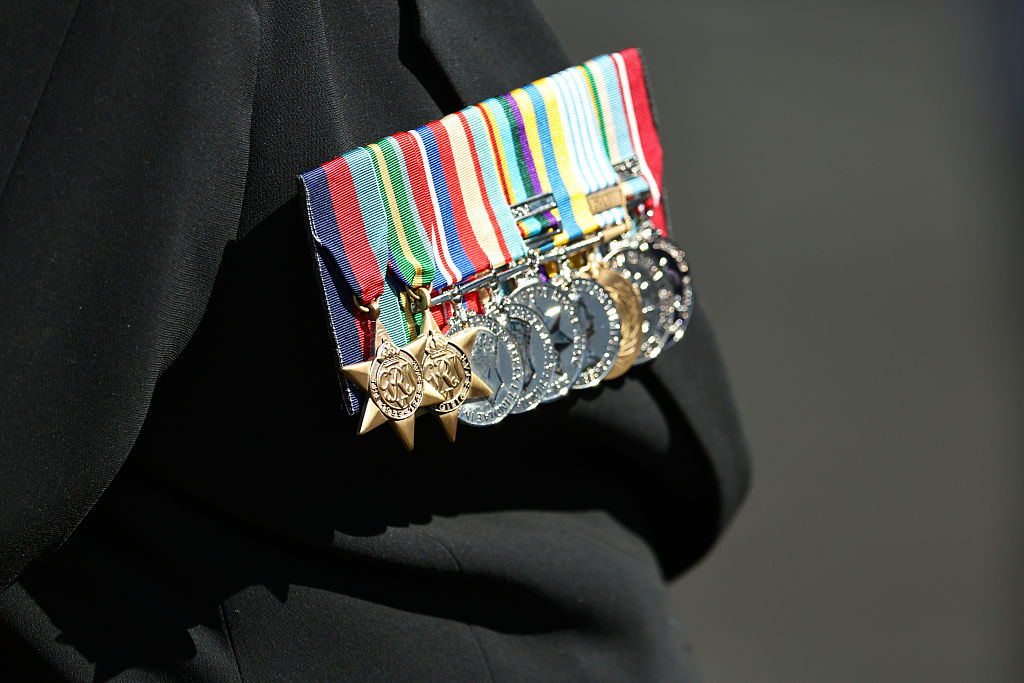
Shadow Minister for Defence Personnel Phillip Thompson, a veteran, said memorial vandalism was “particularly offensive” to serving and former Australian Defence Force (ADF) personnel.
“When someone paints ‘death to the ADF’ across a war memorial, Australians know instinctively that something is badly wrong,” he said.
The latest proposal is not the Coalition’s first attempt to legislate on the issue. Thompson moved a similar private member’s motion last year after masked demonstrators burned the Australian flag at a pro-Palestine rally in Melbourne.
Meanwhile, the Coalition’s plan has drawn criticism from the Free Speech Union of Australia, with spokesperson Reuben Kirkham calling it a “slippery slope.”
“Perhaps the next thing will be a ban on burning religious books and symbols? And then another ban for the next thing that some people complain about,” he told The Epoch Times.
“This is why it is important to take a principled approach and accept speech [including flag burning] that we may find offensive.”
Change The Date Campaign
The proposal to require a plebiscite to change Australia Day responds to a long-running campaign to shift the date. Australia Day is not currently enshrined in specific federal law, but rather exists through a patchwork of state and territory public holiday legislation and administrative practice.
In 2024, several Australian Football League (AFL) clubs, including North Melbourne, Port Adelaide, and the Western Bulldogs, publicly called for Australia Day to move to “a date that unites us.”
Some councils across Australia have shifted their citizenship ceremonies away from Jan. 26, following a federal policy change in 2022 allowing ceremonies within three days before or after the date.
Flag burning is not currently a criminal offence under the Flags Act. Earlier attempts by Coalition MPs at the state and federal levels to criminalise the practice have failed, with former Prime Minister John Howard among those raising free-speech concerns.



 English (US) ·
  Turkish (TR) ·