
Prime Minister Mark Carney says U.S. President Donald Trump has not mentioned the Pentagon’s recent criticisms of Canada’s defence spending during their conversations.
The Pentagon this week published what it described as a “fact sheet” which said Canada’s defence spending has limited its ability to support the defence of North America.
Carney was asked about the Pentagon’s criticism before a Liberal caucus meeting on Nov. 25. He told reporters that U.S. President Donald Trump, the commander in chief of the American military, had not raised any such concerns during their discussions.
“I can assure you that in my discussions with the president of the United States, we’re focused on conflict resolution around the world and he has not raised issues such as has been reported recently,” Carney said.
He added that Canada is “taking responsibility” for its own defence.
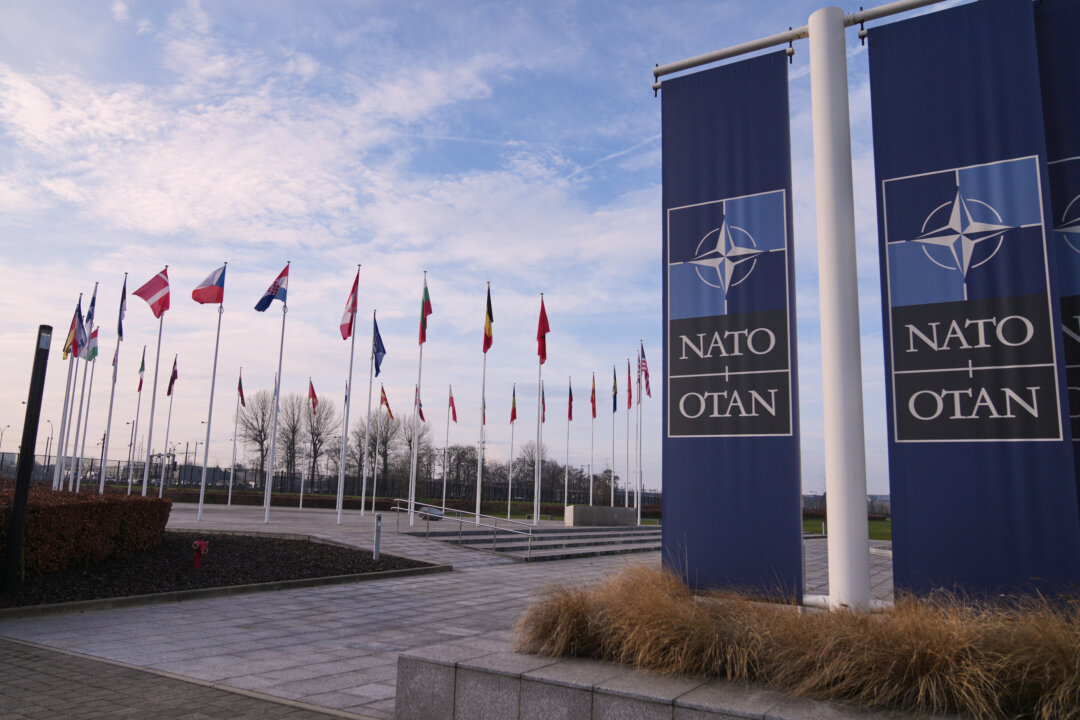
The prime minister said Canada is on the front lines in Europe through Operation Reassurance in Latvia and is working with NATO partners, including the United States, to secure the Arctic and the Far North.
Carney said Canada is also making “historic investments in our military, starting with making sure that the women and men of the Canadian military receive the pay that they deserve.”
U.S. Defence Secretary Pete Hegseth issued a classified memo earlier this month restricting certain forms of military engagement with Canada, including participation in think-tank events and social gatherings.
Then the fact sheet, released publicly on Nov. 23, criticized Canada’s defence spending and military readiness, and found fault with Ottawa’s prolonged review of its planned purchase of 88 F-35 fighter jets. The document also accused Canada of lacking a concrete plan to get its defence spending up to 5 percent of GDP by 2035.
Defence Minister David McGuinty told reporters on Nov. 24 he couldn’t “divine” the reasoning behind the Pentagon’s commentary on Canada’s military spending.
“The amount of co-operation that we are pursuing together under Norad has not changed. What we are doing together at NATO has not changed,” McGuinty said. “Our military-to-military co-operation has not changed.”
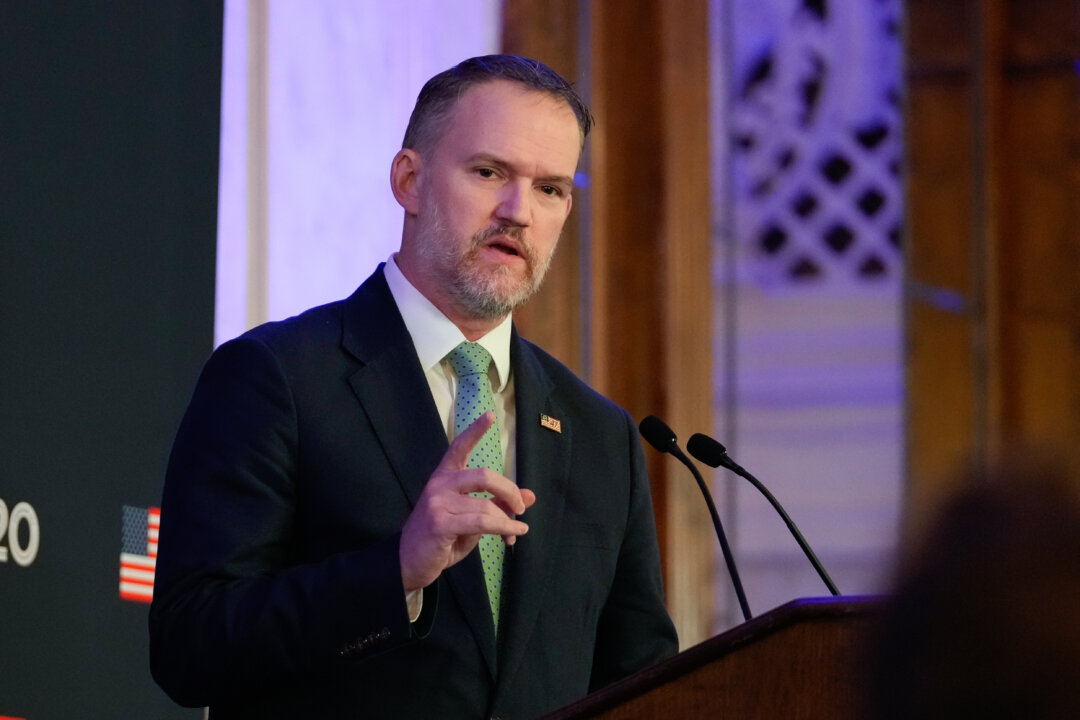
Secretary of state for defence procurement Stephen Fuhr also spoke to reporters prior to the Nov. 25 caucus meeting about the Pentagon’s fact sheet.
Fuhr suggested that the Pentagon’s “briefing books haven’t been updated recently,” adding that Hegseth should “maybe get a current update on what Canada’s up to.” He said Canada met NATO’s 2 percent spending target earlier this year and intends to acquire new submarines, radar units, and aircraft.
“Our readiness has been not where we want it to be, and we all acknowledge that, but we’re making great progress and changing it. We’re buying new capabilities, we’re moving faster, more people are joining the Canadian Forces,” he said.
“If we were to react to every single thing that came out of the United States, we’d have a headache. I don’t think they either know or appreciate how fast we’re moving.”
A senior official at the U.S. Department of Defense said Hegseth’s memo was designed to establish a common goal for engagements with Canada. It does not change military operations.
The Trump administration official spoke with a small group of Canadian journalists earlier this week in an on-background briefing to discuss Canada-U.S. relations more candidly.
The official cited the F-35 review, saying the Pentagon wants Canada to adopt a realistic approach centred on military efficiency.
The Liberal government has not yet decided whether to proceed with its order of 88 F-35 fighter jets from Lockheed Martin. Ottawa has purchased 16 so far and the remainder of the order has been under review for more than a year.
Fuhr dismissed a reporter’s suggestion that the Pentagon was pressuring Ottawa to buy the jets. He said Canada continues to purchase military equipment from the United States but is also expanding into other markets and directing more defence spending domestically.
The Canadian Press contributed to this report.



 English (US) ·
 Turkish (TR) ·
