
Commentary
The newly elected British Columbia government is right to remove controversial gender identity material from its school resource materials.
It’ll go a long way to restoring balance in how transgender issues are treated among youth. It’s something that other provinces that haven’t yet done the same need to consider doing. The seriousness of the matter requires that the public, and especially parents, get the chance to learn about what’s really in these policies.
First off, though: This is not a column about transgender issues in general or transgender topics as it pertains to adults. This is about youth—impressionable minds who are still growing up, both physically and mentally.
A lot of people may think these policies are about simply ensuring youth are free from harassment and discrimination if they identify as part of the LGBT community. And naturally, most people support such anti-discrimination policies.
That’s not what this is about at all, though. These policies are actually about ideology and advocacy, and serve as de facto promotional material for transgenderism.
Yet a lot has changed since these policies were enacted—over a decade ago, in many cases. The evidence has become undeniable that transgenderism in youth is a serious matter that shouldn’t be taken lightly. It should go without saying that changing your gender—particularly when undergoing hormone treatment or physical surgery—needs to be viewed seriously, not as a subject for advocacy.
Researcher and author Abigail Shrier wrote to the U.S. Senate Judiciary Committee in 2021 that “puberty blockers and cross-sex hormones cause irreversible risks including infertility, sexual dysfunction, osteoporosis, cardiac events, and endometrial cancer.” Shrier further detailed these concerns in her book “Irreversible Damage,” which focuses on the promotion of transgenderism among youth, particularly girls.
What the B.C. government of new Premier Lorne Doerksen just did was announce the removal of what’s known as “SOGI 123” material as a classroom and teacher resource.
SOGI stands for sexual orientation and gender identity. The materials weren’t for a particular class, but rather about how to infuse every subject with discussions around gender identity.
The critics of SOGI 123 rightly noted that because it was designed for all classes, parents would have no way of knowing when it would crop up. It was also used at the elementary level, which was considered too young to be pushing gender identity.
“Parents are responsible for their children and they should have a say in what those children are taught,” Premier Doerkson said of the matter. “SOGI has become a lightning rod of division in this province and it has pulled attention away from what our schools are there to do. We are acting now to reset that conversation and to bring parents back into it.”
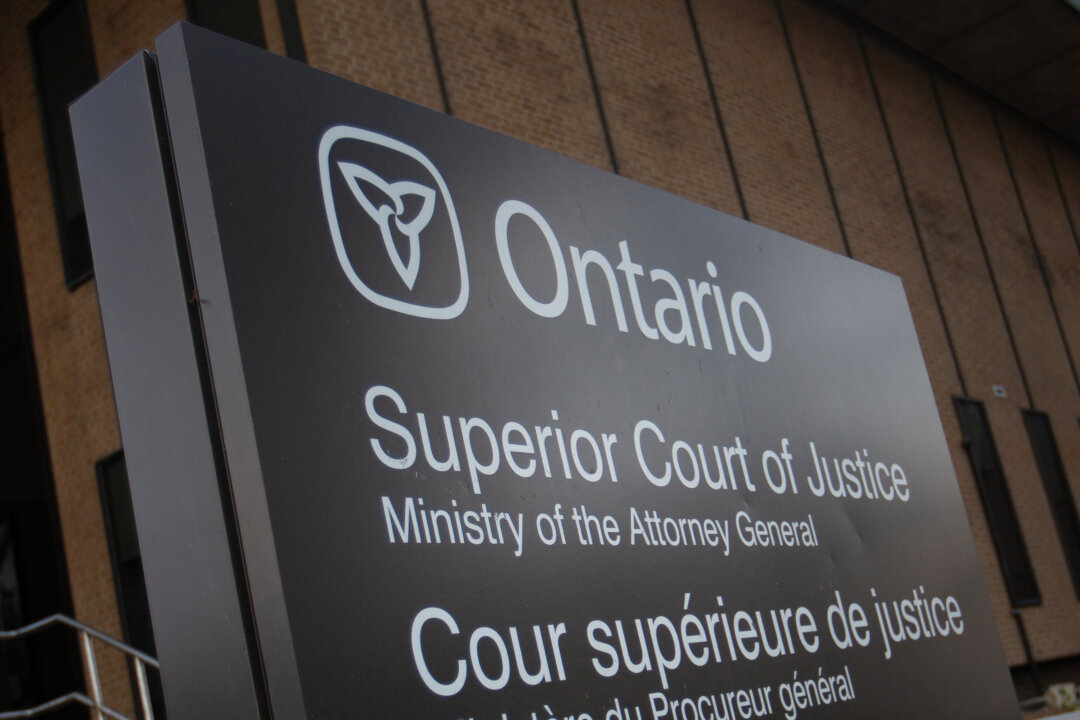
Ontario school boards still have similar guidelines in place. There is no province-wide policy, and as such boards can make up their own rules.
It’s important that people actually read what these policies say, because they’re shockingly activist and don’t come with the sort of rigour we have the right to expect of government guidelines.
The Toronto District School Board’s transgender guidelines say that “a school should never disclose a student’s gender non-conformity or transgender status to the student’s [parents] without the student’s explicit prior consent.”
This appears to be a holdover from the notion that a school shouldn’t out a student as gay to their parents if they haven’t come out at home yet. But that’s a very different thing than a youth who may be about to be put on the pathway to gender reassignment surgery.
When it comes to the curriculum, the TDSB guidelines say teachers are expected to “integrate transpositive content into the teaching of all subject areas” and that “school board and school-based curriculum leaders must integrate trans‐awareness and trans‐positive advocacy training into staff professional development curricula.”
The vast majority of Toronto parents likely don’t realize that this is official policy. And there’s similar wording in school boards all across the country.
There’s a massive difference between fostering an inclusive school environment free from discrimination and working to “integrate transpositive” content into all classes.
The latter is pushing an agenda and ideology on kids. The promotion of gender confusion among children is a form of child abuse and should be strictly prohibited in the classroom.
The mandate letter Premier Doerksen provided to the BC Education Minister strikes a good balance on these issues. The minister is instructed to: “Repeal SOGI 123 and address bullying directly, protecting students from harassment based on personal characteristics, while strengthening parental transparency, choice and student safety.”
If students are being discriminated against, then work to end the discrimination. But, as it stands, the activist polices around gender identity in our schools have gone way too far.
Views expressed in this article are opinions of the author and do not necessarily reflect the views of The Epoch Times.







 English (US) ·
 Turkish (TR) ·
